

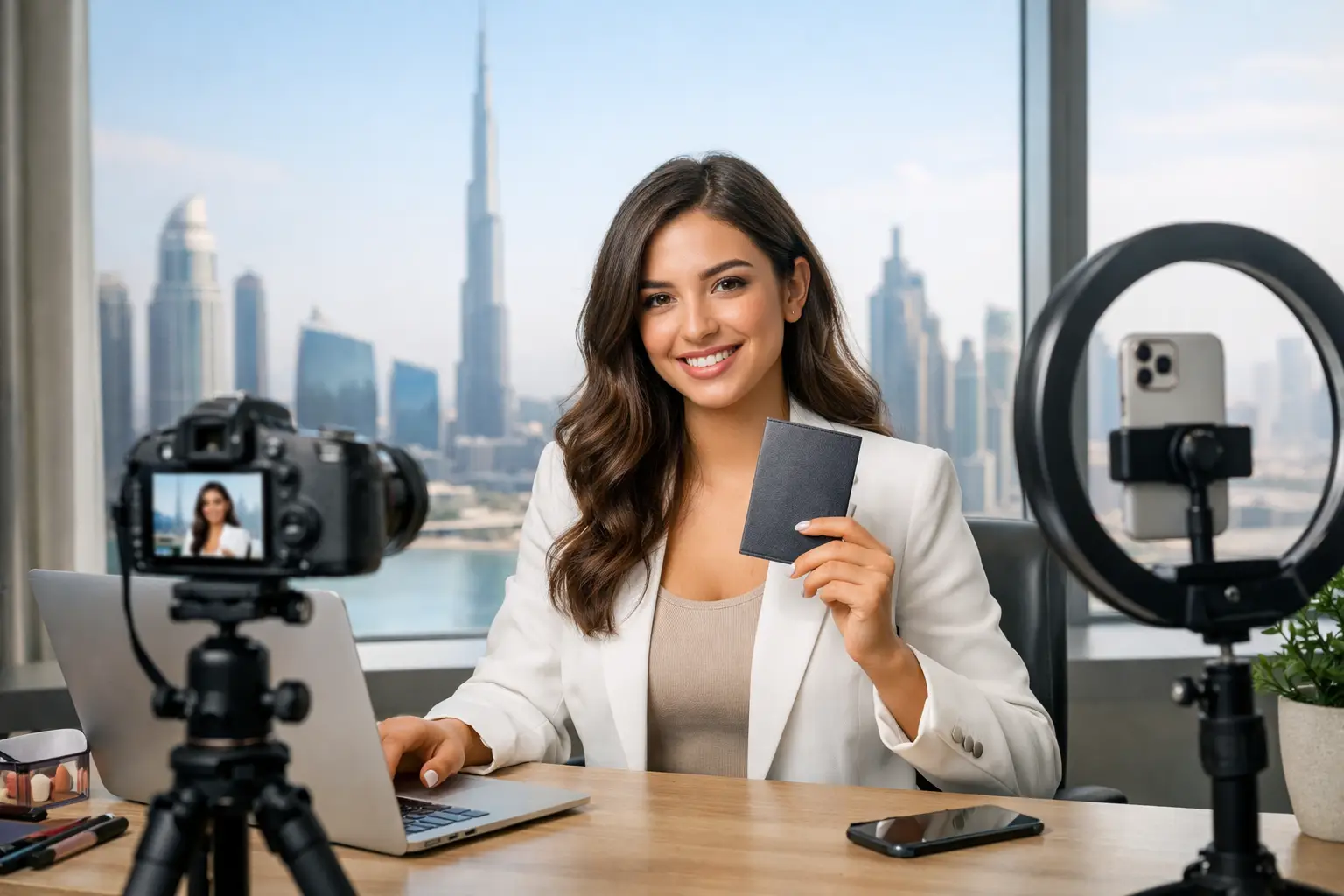
A paid brand collaboration can start with one Instagram reel and quickly turn into a real business activity in the UAE. That is exactly where the social media influencer license UAE requirement becomes relevant. If you are earning from sponsored posts, affiliate promotions, product reviews, or paid campaigns, the question is not just how to grow your audience – it is how to operate legally and protect your income.
For many creators, the confusion starts because influencer work does not look like a conventional business. You may be filming from home, working with brands remotely, and getting paid per post rather than through a storefront or office. But from a regulatory standpoint, monetized content is still a commercial activity. In the UAE, that means your structure, approvals, and payment setup matter.
What is a social media influencer license in the UAE?
A social media influencer license in the UAE is a legal authorization that allows individuals or businesses to conduct influencer and promotional activities for commercial gain. In simple terms, if you promote brands and get paid, authorities may treat that work as a licensed activity rather than a hobby.
The exact route depends on how you operate. Some influencers work as solo creators. Others build a broader media business that includes content production, digital marketing, talent management, or e-commerce. This is why there is no one-size-fits-all answer. The right license often depends on your revenue model, where your clients are based, and whether you need visas, office solutions, or corporate banking support.
Who usually needs a social media influencer license UAE setup?
If you are posting lifestyle content for fun and not receiving compensation, licensing may not be your immediate issue. The situation changes once money, gifts with promotional obligations, agency representation, or recurring brand deals are involved.
You will generally need to look closely at licensing if you are a full-time content creator, a part-time influencer with paid promotions, a YouTuber monetizing branded content, a consultant building a personal brand with paid endorsements, or a foreign founder launching a creator-led media company in Dubai.
This also applies to businesses that hire creators under a company structure. If the activity is being invoiced, marketed, and scaled, it should be aligned with the right legal framework. Operating informally may seem easier at first, but it can create problems with payment collection, compliance, visa eligibility, and long-term growth.
Why licensing matters beyond compliance
Many founders approach licensing as a box-ticking exercise. For influencers, it has a wider business impact.
A proper setup can help you invoice brands professionally, open the door to business banking, apply for residency options where eligible, and build credibility with agencies and larger corporate clients. It also gives you a cleaner foundation if you want to expand into merchandise, talent management, production services, or paid consulting later.
The trade-off is that the cheapest route is not always the most suitable one. A low-cost setup may work for a solo creator with limited activity, but it may not serve a growing media brand that needs multiple business activities, staff visas, and operational flexibility.
Social media influencer license UAE options: mainland or free zone
One of the first decisions is jurisdiction. In most cases, creators and media entrepreneurs consider either a mainland company or a free zone company.
Mainland setup
A mainland structure can be a practical choice if you want wider business flexibility inside the UAE market, especially if your activities may expand beyond influencer work into broader media or marketing services. It can suit founders who expect to work directly across multiple sectors, hire locally, and build a more established commercial presence.
That said, mainland setup may involve different cost considerations and approval steps depending on the activity selected. It is often better for long-term operational range than for simply minimizing setup cost.
Free zone setup
Free zones are often attractive to creators because they can offer efficient company formation, competitive startup packages, and activity options linked to media, digital content, and marketing. For solo founders and international entrepreneurs, this route is frequently more straightforward.
However, not every free zone package fits influencer work equally well. The right choice depends on the exact licensed activity, visa needs, and whether your business model goes beyond posting sponsored content.
What documents and approvals are usually involved?
The process varies by authority, but most influencer-related company setups require standard identification and business formation documents. These commonly include passport copies, visa or entry details where applicable, application forms, business activity selection, and trade name reservation.
If the structure includes residency, additional immigration and visa documentation may be required. If the business will invoice clients and receive payments through a corporate account, banking due diligence also becomes part of the wider setup process.
This is where many applicants lose time. The issue is rarely just paperwork. It is choosing the correct activity description, jurisdiction, and approval path from the beginning. A mismatch at that stage can delay licensing or create restrictions later.
How much does a social media influencer license UAE setup cost?
Cost depends on several variables, including jurisdiction, license type, visa allocation, office requirement, and whether you are setting up as an individual creator or as a company with broader commercial activity.
There is no fixed universal price because packages differ significantly. A basic structure for a solo founder will look very different from a setup that includes residency visas, office support, accounting requirements, and multiple business activities.
It is also important to think beyond the initial license fee. Your real setup cost may include visa processing, Emirates ID steps, medical testing, establishment card requirements, corporate banking assistance, bookkeeping obligations, VAT registration if thresholds are met, and annual renewals. Founders who budget only for the headline license price often underestimate the actual operating cost.
Common mistakes influencers make
The most common mistake is assuming that follower count determines whether a license is needed. It does not. Revenue activity is usually the more relevant factor.
Another issue is using the wrong business activity. A general media or marketing activity may sound close enough, but if your actual work includes paid promotions and creator services, your setup should reflect that. The wrong activity can affect banking, invoicing, and compliance.
Some creators also delay formal setup until brands request invoices or contracts. By that stage, they are trying to fix a compliance issue while already negotiating campaigns. It is far better to set up early and present yourself as a serious operator from the outset.
Choosing the right structure for your business model
The best route depends on what kind of creator business you are building.
If you are a solo influencer taking paid collaborations, a lean and cost-conscious setup may be enough. If you are an entrepreneur building a digital media brand, your structure should allow room for growth. If you are a foreign investor launching a talent or creator management company, licensing should be aligned with recruitment, management, production, and service delivery requirements where relevant.
This is why practical guidance matters. The right answer is not always the fastest registration route. It is the structure that supports your commercial goals without creating avoidable restrictions later.
For founders who want end-to-end help with licensing, visas, banking support, and ongoing compliance, working with an experienced setup partner such as JK Associates can reduce delays and bring the entire process under one coordinated service model.
What happens after the license is issued?
Getting the license is the start of legal operation, not the end of the process. Once the company is active, you may need to complete visa formalities, open a business bank account, organize invoicing, maintain accounting records, and monitor whether VAT registration applies.
If your brand grows, trademark protection may also become worth considering. Many influencers underestimate how quickly a personal brand can become a commercial asset. Names, logos, and content identity often need protection once revenue scales.
There is also a practical side to staying compliant. Brand contracts, ad disclosures, tax responsibilities, and renewal dates should be managed consistently. The creators who treat this seriously tend to build stronger commercial relationships over time.
Is the social media influencer license UAE route worth it?
If you are serious about earning from content in the UAE, the answer is usually yes. Licensing gives your work a legal and commercial foundation. It helps you move from informal creator income to a structured business model that brands, banks, and service providers can recognize.
The right setup does not need to be unnecessarily complicated, but it should be accurate. A content career can grow quickly, and the structure you choose at the beginning affects how easily you can scale, hire, relocate, and diversify revenue later.
If you are already monetizing content or planning to, it makes sense to treat your creator activity like the business it has become. A clear setup today can save considerable time, cost, and stress tomorrow.