

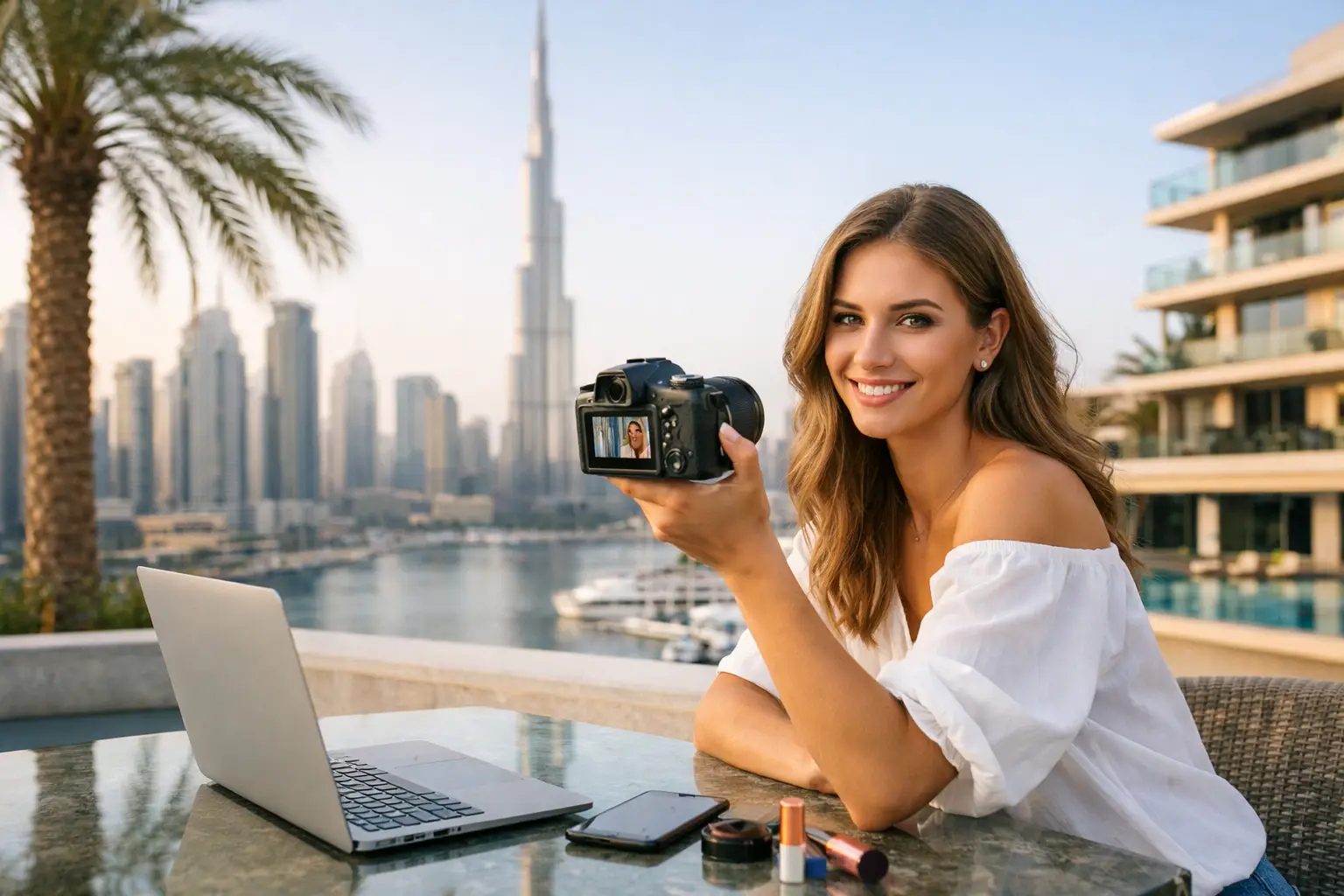
Brand deals can move fast in Dubai, but the paperwork behind them matters just as much as the content itself. If you plan to earn from sponsored posts, paid collaborations, or digital promotions, getting the right influencer license Dubai setup is not something to leave until later. The right structure protects your income, supports compliance, and helps you work with brands more confidently.
For many creators, the confusion starts with one basic question – do you need a media permit, a business license, or both? The answer depends on how you operate, where your business is registered, and whether you are working as an individual creator or building a wider media business. That is exactly where careful setup becomes valuable.
What is an influencer license Dubai setup?
When people say influencer license Dubai, they are usually referring to the legal approval needed to promote products or services online for commercial gain. In practice, this may involve a trade license under a relevant activity, a media-related approval, and in some cases additional permits depending on the jurisdiction and business model.
Dubai does not treat monetized influence as a casual side activity once it becomes commercial. If you are receiving payment, free products in exchange for promotion, managing brand campaigns, or creating content as part of a commercial arrangement, you may need a formal legal structure. This applies to solo creators, consultants, talent managers, and even agencies representing influencers.
That said, not every creator is in the same position. A lifestyle influencer working directly with brands may need a different setup than a content production company, a marketing consultancy, or a media agency. The safest route is to match the license structure to the actual activity rather than picking the cheapest option and hoping it fits.
Who usually needs an influencer license in Dubai?
If your online presence generates business income, there is a strong chance you need formal registration. This includes creators earning from sponsored content, affiliate-style promotions, paid reviews, brand ambassadorships, appearance fees, or platform-based monetization tied to commercial activity.
It can also apply to entrepreneurs who use a personal brand as the front end of a broader business. For example, if you coach, sell digital products, provide consulting, or run campaigns through your social channels, you are no longer just posting content. You are operating a business activity that should be licensed correctly.
There are also gray areas. Someone posting occasionally with gifted products may assume they are too small to need a setup, while a brand may still ask for invoices, contracts, and proof of registration. On the other hand, a creator who wants to scale into a media brand should think beyond a basic permit and choose a structure that supports visas, banking, and future growth.
Why the right setup matters beyond compliance
Compliance is the obvious reason, but it is not the only one. A proper setup can make commercial operations much easier. Brands, agencies, and corporate clients often prefer to work with registered entities because they need contracts, invoices, and a clean payment trail.
The right license can also support other business essentials, including residency visa eligibility, corporate bank account applications, and tax-related registrations where applicable. That becomes especially important for founders and international clients who want to build a stable operation in the UAE rather than treat content creation as an informal side stream.
A poor setup creates friction. You may struggle with delayed payments, difficulty opening a bank account, or license activity mismatches that create problems later. In Dubai, fixing the wrong structure after launch can cost more time and money than choosing correctly from the start.
Mainland or free zone – which is better?
This is where most founders need practical guidance rather than generic advice. Both mainland and free zone structures can work, but the better option depends on your goals.
A free zone is often attractive for influencers and digital entrepreneurs because setup can be streamlined, packages may be cost-effective, and the process is generally founder-friendly for international clients. Many creators choose free zones when they want a straightforward path to licensing, visa options, and business administration support.
Mainland can make more sense if your activity is broader, you want maximum operational flexibility inside the UAE market, or your business model includes services beyond influencer work alone. If you are building a full-service media or marketing business, mainland may offer a better long-term base.
The trade-off is simple. Free zones can be efficient and practical for many creators, while mainland can provide broader flexibility depending on the nature of your operations. The right answer depends on what you sell, how you invoice, who your clients are, and whether your business is expected to stay creator-led or grow into an agency model.
What documents and approvals are typically involved?
The process usually starts with identifying the right business activity. That step matters because using a general activity that does not properly reflect influencer, advertising, media, or promotional work can create issues later.
After that, the standard requirements often include passport copies, visa or entry documents depending on residency status, application forms, trade name reservation, and incorporation paperwork. Some structures may require additional media approvals or regulator-specific permissions. If you are applying with visa support, you should also factor in immigration processing and Emirates ID steps.
This is one reason many founders prefer end-to-end setup support. The license itself is only one part of the process. Banking, tax registration, bookkeeping, office requirements, and visa coordination often follow quickly after incorporation.
How much does an influencer license Dubai cost?
Costs vary widely because there is no one-price-fits-all model. The total depends on the jurisdiction, number of visas, business activity, facility package, and whether additional approvals are required.
A low-cost package may seem attractive, but founders should check what is actually included. Some packages cover only the license issuance and leave out immigration card fees, establishment card charges, visa processing, office solutions, or other mandatory administrative costs. Others may look more expensive upfront but reduce operational delays by bundling essential services.
The more useful way to think about cost is this: what setup gives you a legally sound base for invoicing clients, receiving income, and operating without interruption? For a creator planning to earn consistently, the cheapest route is not always the most efficient one.
Common mistakes creators and founders make
One common mistake is registering under the wrong activity because it was fast or inexpensive. Another is assuming a social media profile can function as a business without formal registration once paid work starts coming in.
Some founders also separate content income from the rest of their business in a way that does not reflect reality. If your personal brand, consulting work, digital product sales, and promotional services are all connected, your structure should account for that. Otherwise, you may end up with mismatched licensing, invoice limitations, or compliance gaps.
Another issue is underestimating what comes after setup. A creator may secure the license but then face delays with visa processing, business banking, accounting obligations, or tax registration requirements. A coordinated setup approach is usually more efficient than solving each issue separately.
Choosing a setup partner for your influencer license in Dubai
This is not just about filing documents. You need clear advice on jurisdiction, activity selection, visa planning, and post-license support. The best setup partner will explain not only how to get licensed, but also how the structure affects your banking, taxation, and ability to grow.
For founders entering Dubai from overseas, this matters even more. You may need one point of contact that can handle incorporation, PRO support, visa services, office solutions, and administrative follow-through. That is often the difference between a smooth launch and weeks of fragmented coordination.
A service-led partner such as JK Associates can be valuable in that context because the licensing step is connected to the wider setup journey. When the same team helps align formation, compliance, and operational support, the process becomes easier to manage and easier to scale.
Start with the business model, not just the permit
The strongest approach is to define what you are really building. If you are simply taking occasional paid campaigns, one structure may be enough. If you are building a creator business with recurring brand work, employees, studio support, or agency services, you need a setup that fits the bigger picture.
Dubai offers real opportunity for influencers, creators, and digital entrepreneurs, but the market rewards businesses that are properly structured. Getting the right license is less about checking a box and more about building a compliant foundation you can actually grow on. Start there, and the commercial side of content creation becomes much easier to manage.