

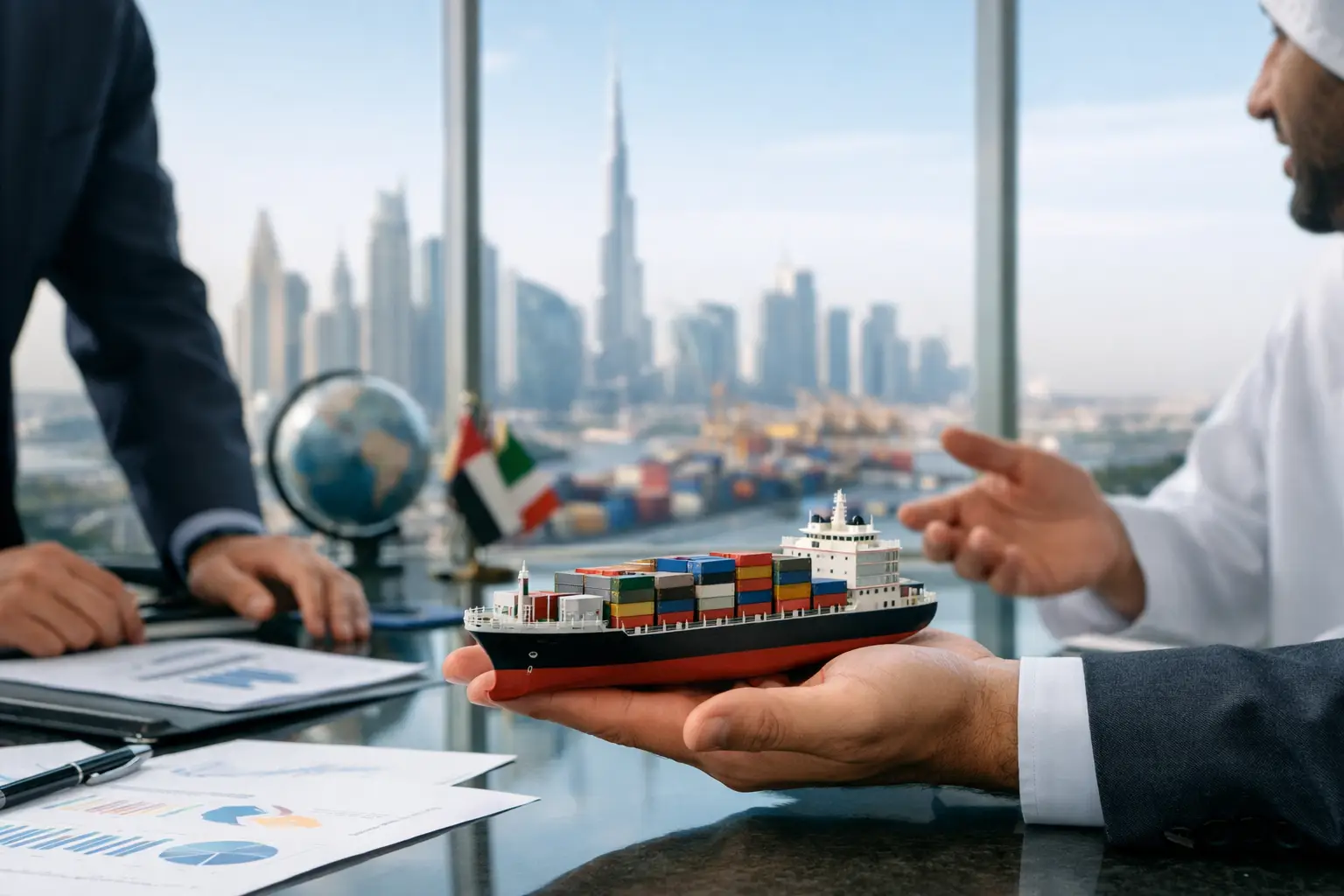
A DMCC general trading license can be a practical route for businesses that need flexibility to buy, sell, import, export, and distribute a broad range of goods from Dubai. For founders planning to trade across the UAE, GCC, Africa, Asia, or Europe, it offers a recognized free zone structure in a location built around international commerce. The key is understanding what “general trading” does and does not permit before committing to a setup.
DMCC, or the Dubai Multi Commodities Centre, is one of Dubai’s best-known free zones. It is located in the Jumeirah Lakes Towers district and supports companies across trading, commodities, professional services, technology, and more. A general trading license is often attractive because it can reduce the need to obtain separate licenses for multiple unrelated product categories. However, flexibility should not be confused with unlimited permission. Product restrictions, customs rules, office requirements, banking expectations, and tax obligations still need to be planned carefully.
What a DMCC General Trading License Allows
A general trading license is designed for businesses dealing in a variety of goods rather than one narrowly defined product line. Depending on the approved activity and product category, a company may buy and sell products locally through appropriate channels, import goods into the UAE, export to overseas markets, hold inventory, and act as a distributor or wholesaler.
This structure can suit an entrepreneur who intends to trade items such as consumer goods, electronics accessories, household products, packaging materials, textiles, non-regulated machinery, or general commercial merchandise. It is particularly useful when a business expects its product range to expand over time and does not want its license to become restrictive after the first few shipments.
That said, certain goods require additional approvals or may not be covered under a standard general trading activity. Food products, cosmetics, pharmaceuticals, medical devices, alcohol, tobacco, chemicals, precious metals, weapons-related items, and controlled products can involve separate authority approvals, registrations, testing, storage conditions, or specialized licensing. A product review before incorporation is far less costly than discovering a restriction after stock has been ordered.
Who Should Consider a DMCC General Trading License?
This license generally works well for international traders, e-commerce operators with physical inventory, wholesale distributors, import-export companies, and established businesses opening a regional trading hub. It can also be suitable for founders who source from several countries and sell across more than one product category.
For example, a company importing home accessories from China, sourcing packaging from India, and exporting selected products to Saudi Arabia may benefit from a general trading structure. Likewise, an online seller who plans to build a catalog across several non-regulated categories may prefer the broader activity scope over a single-product trading license.
It may not be the right choice for every business. A consultancy, software business, marketing agency, or other service provider usually needs a professional or service license instead. A founder who will trade only one very specific product category may find a specialized trading activity more cost-effective. The best choice depends on the actual commercial model, not simply the broadest license name.
DMCC General Trading License Requirements
The incorporation process is structured, but the right setup depends on shareholding, business activity, visa needs, and workspace requirements. In most cases, applicants will need to select the legal structure, reserve a company name, submit shareholder and manager documents, obtain initial approval, arrange a registered office solution, and complete license issuance formalities.
For individual shareholders, the standard documentation commonly includes passport copies, visa and Emirates ID copies where applicable, proof of address, a business plan or business profile when requested, and information about the proposed activities. Corporate shareholders require additional documents, such as certificates of incorporation, board resolutions, constitutional documents, and ownership records. Documents issued outside the UAE may need attestation and legal translation depending on the jurisdiction and authority requirements.
DMCC offers different workspace options, from flexi-desk arrangements for qualifying businesses to dedicated offices for companies with larger operational or visa requirements. This decision matters. Your office type can affect visa eligibility, banking discussions, warehouse planning, and the perception of operational substance. A company expecting regular staff, inventory handling, or significant trade volumes should plan beyond the minimum workspace requirement.
Visas and staffing
A DMCC company can generally apply for UAE residence visas, subject to the company’s package, office arrangement, and immigration approvals. Investors, partners, managers, and employees may be sponsored through the company once it is established. The number of visas available is not a detail to leave until later, especially for businesses planning sales teams, logistics staff, or operational managers in Dubai.
Visa processing also involves medical testing, Emirates ID registration, health insurance considerations, and immigration documentation. Coordinating company formation and visa planning from the start avoids unnecessary changes to the office package or corporate structure.
Trading in Dubai and Beyond the Free Zone
A common question is whether a DMCC company can sell goods in the UAE mainland. The practical answer depends on how the goods are sold, where they are delivered, the customer type, customs treatment, and whether a mainland distribution arrangement or additional approvals are needed.
Free zone companies are well positioned for international trade, re-export, and transactions with other free zone entities. For mainland sales, businesses must consider local market access rules, customs procedures, import documentation, and the appropriate distribution model. A mainland entity, local distributor, or other compliant route may be more suitable for companies focused heavily on direct UAE retail or domestic wholesale.
This is where business planning matters more than marketing language. A company selling overseas from Dubai has different needs from a company importing containers for local supermarket distribution. Both may trade goods, but their licensing, warehousing, customs, and operational requirements can be very different.
Costs to Plan for Before Setup
The cost of a DMCC general trading license is not limited to the license fee. Founders should budget for registration, establishment card and immigration costs where visas are required, workspace rental, visa processing, document attestation, insurance, customs registration where relevant, and annual renewal expenses.
Banking should also be considered as part of the setup budget and timeline. UAE banks conduct their own compliance reviews and may request a clear business plan, supplier and customer details, expected transaction volumes, source of funds information, contracts, invoices, and proof of business operations. License issuance does not guarantee a corporate bank account, so realistic documentation and a well-explained business model are essential.
For product-based businesses, additional working capital is often more important than the formation cost itself. Freight, duty, storage, inventory, packaging, marketplace fees, and delayed customer payments can put pressure on a new trading company. Building a cash-flow plan before launching helps ensure the company can operate after the license is issued.
Compliance After Your License Is Issued
Company formation is the starting point, not the finish line. A DMCC trading company must maintain its license, renew its office arrangement, keep corporate records current, and meet applicable reporting requirements. Changes in shareholders, directors, managers, business activities, or ultimate beneficial ownership information should be handled properly rather than left until renewal time.
Corporate tax, VAT, accounting, and bookkeeping need early attention. Whether VAT registration is required depends on taxable supplies and turnover thresholds. Corporate tax treatment depends on the company’s income, activities, free zone status, and compliance with applicable conditions. A free zone license alone should never be treated as an automatic exemption from every tax obligation.
Accurate records are also essential for customs, banking, audits where applicable, supplier due diligence, and tax filings. Trading businesses should retain purchase invoices, sales invoices, shipping documents, customs declarations, inventory records, and payment evidence in an organized manner. Good records protect the business when a bank, authority, customer, or auditor asks for evidence of a transaction.
Choosing the Right Setup Support
The right advisor should look beyond license issuance and ask practical questions: What products will you trade? Where will goods be sourced and sold? Do you need local distribution? How many visas are needed? Will you require warehousing? What will a bank need to understand about your business?
JK Associates supports founders with this broader setup view, including business formation, visa processing, corporate banking support, accounting, VAT and corporate tax registration, PRO services, and ongoing compliance assistance. Having one coordinated point of support can reduce the risk of licensing decisions that do not match the company’s real operating needs.
A DMCC general trading license is most valuable when it reflects a clear trading plan, not just a desire for a broad activity. Start with the products, customers, markets, logistics, and staffing you expect in the first year. The right structure then becomes a practical foundation for growth rather than an administrative obstacle waiting to appear.