

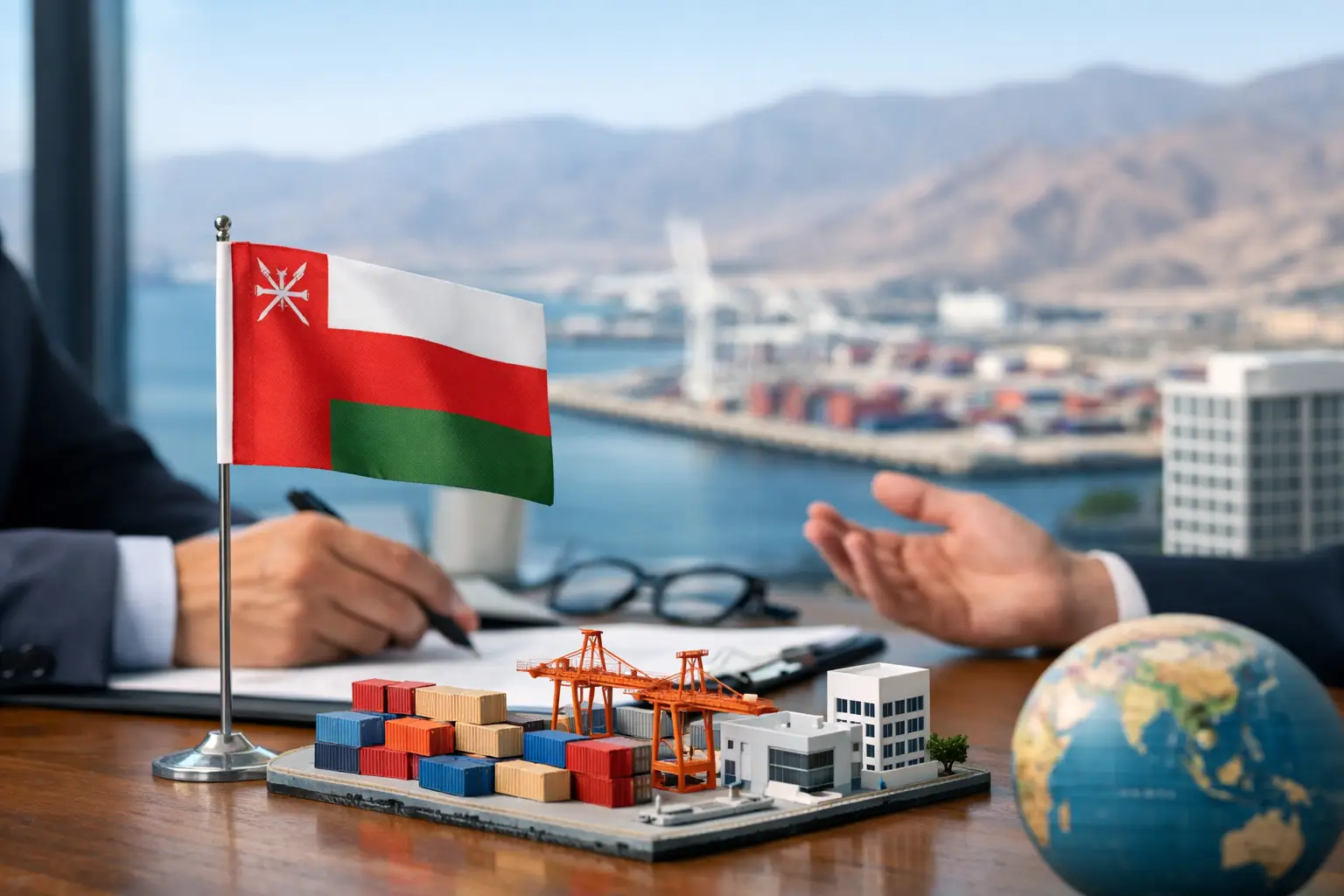
A free-zone license may appear straightforward on paper, but the wrong zone, activity description, or visa plan can create expensive delays after incorporation. Oman Free Zone Company Formation works best when it begins with a commercial decision: where goods will move, where customers are located, and what the business needs to do on day one.
For UAE-based entrepreneurs and international investors, Oman can be a practical GCC expansion market. Its strategic ports, growing logistics infrastructure, and proximity to key trade routes make free zones particularly relevant for trading, warehousing, manufacturing, and regional service operations. The right setup route, however, depends on much more than a low initial license cost.
Why choose an Oman free zone?
Oman’s principal free zones, including Sohar Freezone, Salalah Free Zone, and the Special Economic Zone at Duqm, serve different commercial purposes. Sohar is often considered by businesses linked to industrial activity, logistics, and access to the UAE and northern Oman. Salalah is attractive for companies focused on shipping and trade through the Indian Ocean, while Duqm suits investors looking at industrial, energy, marine, and large-scale development opportunities.
A free-zone company may offer foreign investors advantages such as simplified incorporation processes, possible customs or tax incentives subject to applicable regulations and qualifying conditions, and facilities designed for trade and industrial operations. These benefits should not be treated as automatic. Incentives can depend on the zone, business activity, physical presence, investment profile, and ongoing compliance.
A free zone is also not always the correct answer for a company whose core revenue will come from selling directly within Oman’s mainland market. That scenario needs careful structuring because rules on local distribution, customs, registrations, and permitted activities can affect how the company operates.
Oman Free Zone Company Formation: the key decisions
The first decision is the business activity. A general trading company, freight-forwarding operation, consulting firm, warehouse operator, manufacturer, and e-commerce business may each need different approvals, facilities, and license scopes. A broad activity description is not necessarily better. It can trigger extra requirements or make bank onboarding less clear if it does not accurately reflect the planned business model.
Next, choose the legal structure and free zone. Investors commonly consider a free-zone limited liability company or a branch of an existing foreign company, but the suitable option depends on ownership, liability, group structure, and future expansion plans. A branch can be useful for an established company entering Oman, while a new entity may provide cleaner separation for a distinct venture or investment.
Facility requirements matter early. Some free-zone activities can begin with a flexi-desk or office solution, while logistics, industrial, and trading businesses may require a warehouse, land plot, or dedicated office. Do not sign for space before confirming that the selected facility meets the license and visa requirements.
The formation process in practice
The process usually starts with a consultation to confirm the activity, shareholders, proposed company name, zone, and facility need. The authority then reviews the application and supporting documents. Depending on the business, this can include passport copies, shareholder and director details, proof of address, corporate documents for a parent company, board resolutions, and notarized or legalized documents where required.
After initial approval, the company completes the lease or facility agreement, submits final incorporation paperwork, and receives its commercial registration and license once the relevant requirements are met. Regulated activities may need approvals from additional authorities, so timelines can vary significantly.
Post-incorporation work is where many founders lose momentum. The company may need an establishment or immigration file, employee and investor visa support, labor registrations, a corporate bank account, accounting processes, tax registration assessment, and customs-related registrations for import-export activity. These are operational requirements, not side tasks to leave until the first invoice or shipment is due.
Banking, tax, and compliance need early planning
Corporate banking is often the most document-sensitive stage. Banks typically expect a clear explanation of the company’s activity, shareholder background, expected transaction volumes, customer and supplier markets, contracts or business plans, and proof of office or facility arrangements. A company formed quickly but presented vaguely to a bank can still face a slow account-opening process.
Oman also has corporate tax, VAT, and record-keeping obligations that must be reviewed against the company’s actual activities and turnover. Free-zone incentives do not remove the need to maintain proper books, understand eligibility conditions, or meet filing deadlines. Companies involved in imports, exports, or warehousing should also plan for customs processes before goods begin moving.
Build the setup around the operating model
The best Oman structure is the one that supports the company’s next 12 to 24 months, not simply the cheapest registration package. A founder launching a consultancy may prioritize visas, banking readiness, and a compliant office solution. A trading business may place greater value on port access, customs planning, and warehouse capacity. An industrial investor may need land, utilities, environmental approvals, and a longer project timeline.
JK Associates supports entrepreneurs and businesses that need a coordinated GCC market-entry plan, from jurisdiction selection and document preparation to visa, banking, tax, and ongoing compliance support. With the right free zone and a realistic operational plan, Oman can become a strong extension of a UAE or regional growth strategy.