

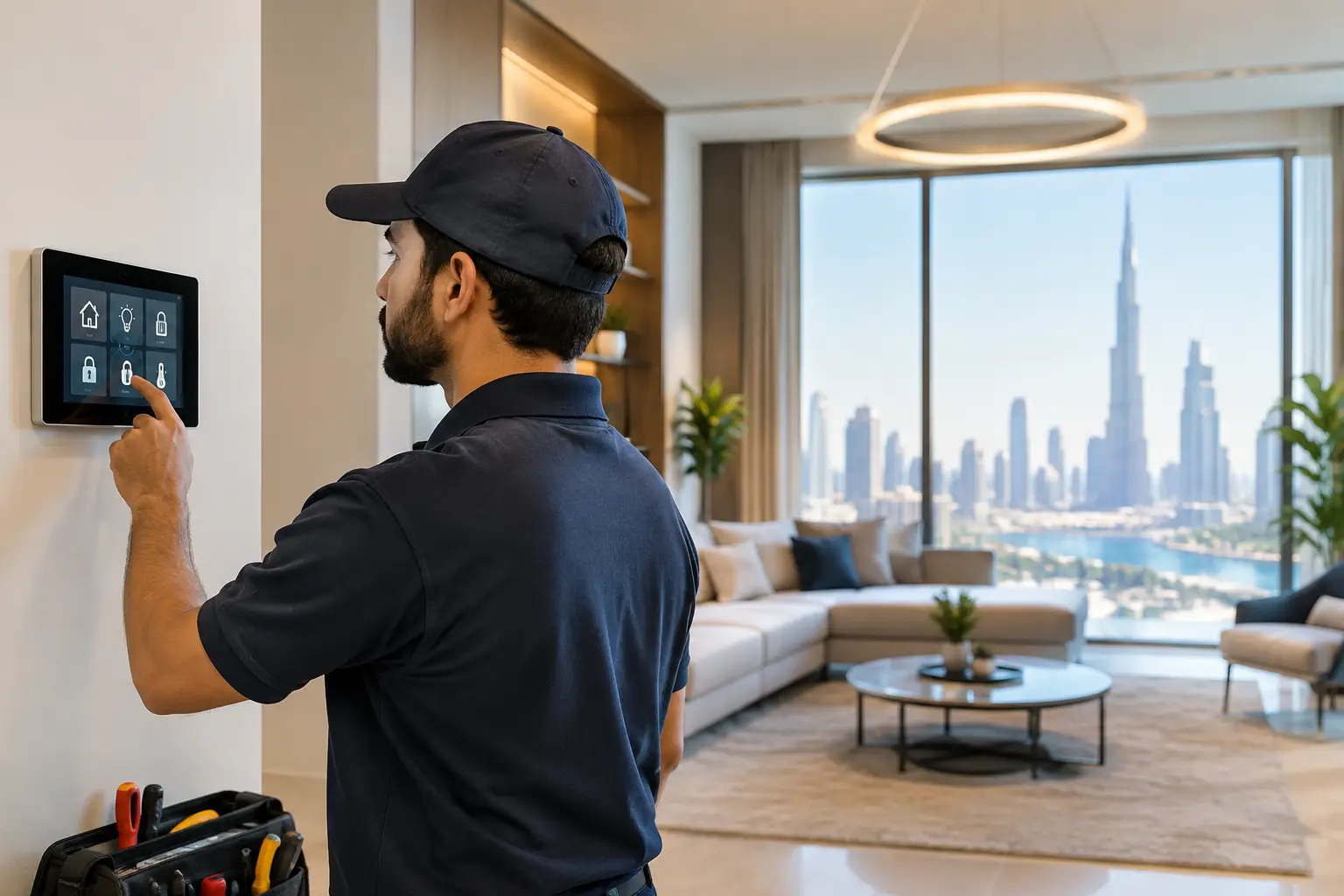
Dubai’s residential and commercial property market creates a strong opening for technology businesses that can make buildings safer, more efficient, and easier to manage. A smart home installation company setup in Dubai can serve villa owners, apartment residents, interior contractors, property managers, and hospitality operators, but success starts with structuring the business around the exact services you intend to deliver.
Installing home automation is not simply a matter of registering a general technology business. Your planned scope may involve product trading, low-voltage system installation, Wi-Fi and network configuration, automation programming, maintenance contracts, or security-related solutions. Each activity can affect your license choice, external approvals, office needs, staffing model, and compliance obligations.
Define Your Smart Home Installation Services First
Before choosing a mainland or free zone license, define what your company will sell and install. A business focused on supplying and configuring smart lights, thermostats, voice-control devices, curtains, access control, and entertainment systems may require a different activity combination from a contractor handling structured cabling, electrical works, surveillance cameras, or integrated building management systems.
A clear service scope also makes commercial planning easier. For example, a company that sells equipment and offers basic installation may operate differently from a project-based integrator working with architects, fit-out companies, and developers. The first model may prioritize inventory, e-commerce, and direct consumer sales. The second may need stronger project documentation, supplier agreements, technical staff, and the ability to bid for larger contracts.
Security-related systems deserve particular attention. If your offering includes CCTV, alarm systems, access control, or other regulated security technologies, additional approvals or specialized requirements may apply. The same is true where installation work touches electrical infrastructure or building systems. A professional pre-setup review prevents a common and costly issue: obtaining a license that looks suitable on paper but does not fully support the work promised to clients.
Choose the Right Jurisdiction for Your Dubai Setup
The best jurisdiction depends on where your customers are, how you will contract, and whether you need a physical operating base.
Mainland company formation
A Dubai mainland company is often suitable for smart home installers that intend to serve customers across Dubai and the UAE directly. It can be particularly practical for businesses working with homeowners, real estate agencies, contractors, interior designers, and commercial property owners. Depending on the approved activity, a mainland structure may also offer greater flexibility for local project execution and office arrangements.
The trade-off is that mainland setup can involve more operational planning. You may need an appropriate office or workspace arrangement, an Ejari where required, and a clear understanding of municipal or industry-related approvals connected to your activity. These requirements are manageable when planned early, rather than addressed after a client has already requested a major installation.
Free zone company formation
A free zone can be an efficient option for founders starting with technology consulting, software-led automation, online sales, product sourcing, or regional trading. It may offer a cost-conscious entry route, flexible visa packages, and a straightforward incorporation process for businesses that do not immediately require extensive on-site contracting activity in Dubai.
However, a free zone license should be assessed against your actual revenue model. If most of your work involves visiting client properties in Dubai, installing systems, and signing direct local contracts, the operating approach may differ from a company focused on remote services or international trade. The right choice is not about selecting the lowest initial package. It is about ensuring the license and operating model support the revenue you expect to generate.
Select Activities That Match Revenue, Not Just Marketing
Smart home businesses frequently combine several income streams. You may earn from system design, device sales, installation labor, annual maintenance, troubleshooting, and upgrades. Your license should reflect the activities that will appear on quotations and invoices.
A practical setup may require a combination of technology services, electronics trading, automation-related services, or technical installation activities, subject to the jurisdiction’s approved activity list. Do not assume that a broad IT activity permits physical installation of equipment at a customer site. Likewise, a trading license may not cover technical services without the appropriate additions.
This stage is also the right time to decide whether you will import products yourself. Direct importing can improve margins and strengthen control over your product range, but it introduces customs, logistics, warehousing, product compliance, and working-capital considerations. Some new businesses prefer to begin with UAE-based distributors, then move to direct imports once demand is proven.
Plan the Operational Requirements Before Launch
A smart home company earns trust in the customer’s home or workplace. That means operational readiness matters as much as the trade license. Clients expect technicians to arrive on time, protect the property, configure devices correctly, and provide support when a router changes or a platform update affects an automation routine.
Build your operating model around documented site surveys, written scopes of work, equipment schedules, testing procedures, warranties, and handover records. Define what is included in installation and what is billed separately, especially for additional cabling, network upgrades, civil work, or integration with third-party devices.
For a small launch team, the business may begin with the owner managing design and sales, supported by technicians or subcontractors. As project volume grows, consider dedicated roles for site coordination, procurement, programming, customer support, and accounting. Using subcontractors can reduce early fixed costs, but quality control and liability must be addressed carefully in contracts.
Insurance should also be considered before work begins. Public liability, professional indemnity, employee coverage, and equipment insurance can be relevant depending on the projects undertaken. Requirements vary by contract and client type, particularly when working with developers, hospitality businesses, or property management companies.
Set Up Visas, Banking, and Compliance Together
Company formation is only the first administrative step. Founders should plan visas, banking, accounting, and tax registrations as part of the same launch schedule.
The number of visas available may depend on the jurisdiction, office solution, and chosen package. A realistic visa plan should cover the investor or manager as well as expected technical and sales staff. If family sponsorship is part of your relocation plan, align the company setup timeline with personal visa requirements to avoid unnecessary delays.
Corporate banking requires clear business information. Banks may ask about the company’s activities, expected transactions, source of funds, suppliers, customers, and projected turnover. A well-prepared business profile, supported by quotations, supplier relationships, a website or portfolio where available, and a clear operational plan, can make the process more organized.
Accounting should begin from the first invoice, not at year-end. Smart home installers often manage deposits, staged project payments, supplier purchases, inventory, and warranty obligations. Organized bookkeeping provides a reliable view of cash flow and helps avoid errors in tax filings. Businesses meeting the applicable UAE threshold must register for VAT, while corporate tax registration and ongoing filing responsibilities should be evaluated based on the company’s structure and activities.
Build a Sales Model That Fits Dubai’s Property Market
Direct-to-consumer sales can generate quick projects, especially for villa owners upgrading lighting, climate control, entertainment, and security. Yet recurring growth often comes from business partnerships. Interior designers may need automation integrated into premium renovations. Fit-out contractors may need a specialist for controls and programming. Property managers may require standardized upgrades or maintenance across multiple units.
Your proposals should make the value practical. Rather than selling devices alone, show clients how the system solves daily problems: lower energy usage, remote monitoring, easier access control, better guest experiences, or simpler management of multiple properties. Avoid overpromising compatibility. Smart ecosystems can be highly effective, but product interoperability, internet reliability, and future support should be explained clearly before installation.
For founders who want a coordinated route from licensing through visas, banking support, tax registrations, office solutions, and ongoing PRO services, JK Associates can provide end-to-end guidance tailored to the intended business model.
A well-planned smart home installation company does more than fit devices into walls and ceilings. It builds confidence at every customer touchpoint, from the first site survey to long-term support. Start with the correct activities and compliance pathway, then create an operating model your clients can rely on after the installation is complete.